Welcome to my blog dedicated to aspiring and current technical writers! Here, you’ll find a treasure trove of resources designed to help you break into the field of technical writing or enhance your existing skills. Whether you’re just starting or looking to refine your craft, our blog covers essential topics like audience analysis, creating a professional identity, peer review, usability testing, and simplifying complex terms for lay audiences. Dive in to discover practical tips, detailed guides, and expert advice that will empower you to excel in the world of technical writing.
Hey there! 🌟 If you’re looking for some popular articles on technical writing, here are a few titles that might catch your eye:
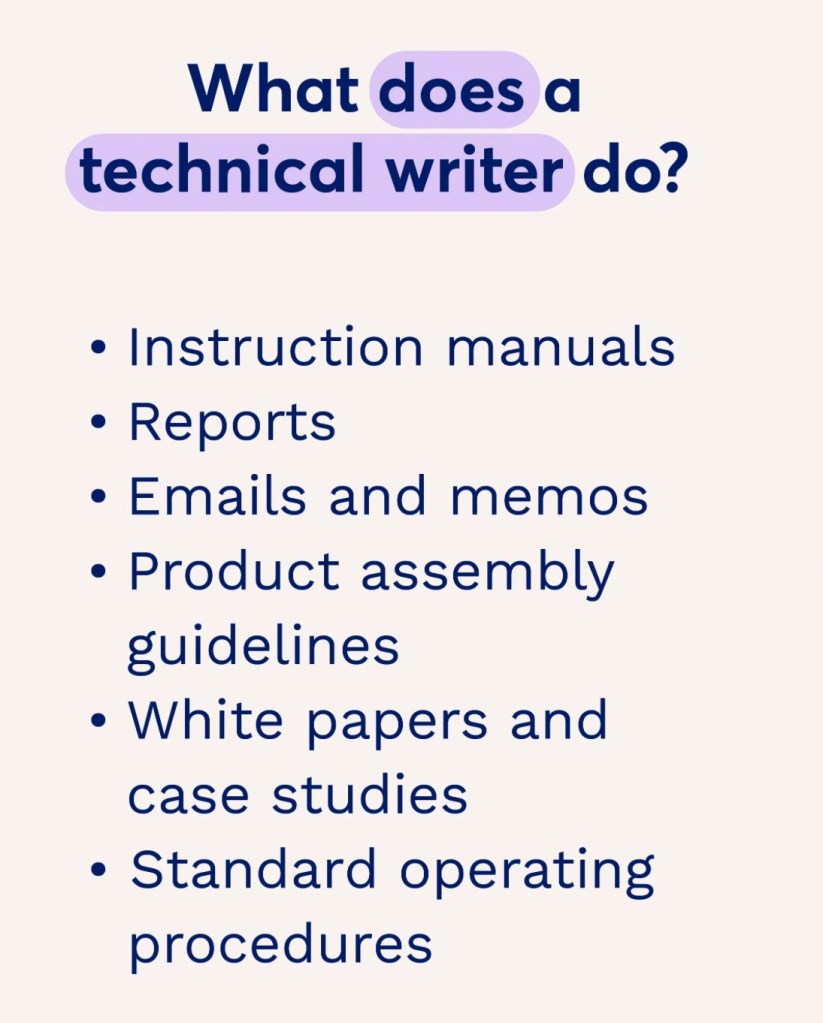
- “Mastering Audience Analysis in Technical Writing”
- “The Art of Peer Review: A Guide for Technical Writers”
- “Simplifying Technical Terms for Lay Audiences: A How-To Guide”
Feel free to explore these articles to gain valuable insights into the world of technical writing! 📝✨
For easy access to essential sections on technical writing, you can typically find “Article Resources” and “Community” tabs on most technical writing websites. These sections are usually where you can explore helpful articles, guides, and connect with a community of fellow technical writers for support and networking opportunities. Happy exploring! 🚀📚
Here’s a quick introduction to two popular technical writing genres:
- Software Documentation: This genre involves creating comprehensive guides and manuals that help users understand and effectively use software applications. Software documentation can include user manuals, API documentation, and troubleshooting guides. The goal is to provide clear, concise, and accurate information to help users navigate the software with ease.
- Product Descriptions and Proposal Writing: This genre focuses on crafting detailed descriptions of products and writing proposals for potential projects or business ventures. Product descriptions aim to highlight the features, benefits, and specifications of a product in a way that is both informative and persuasive. Proposal writing, on the other hand, involves outlining plans, objectives, and strategies to secure approval or funding for a project. Both require a balance of technical precision and persuasive communication.
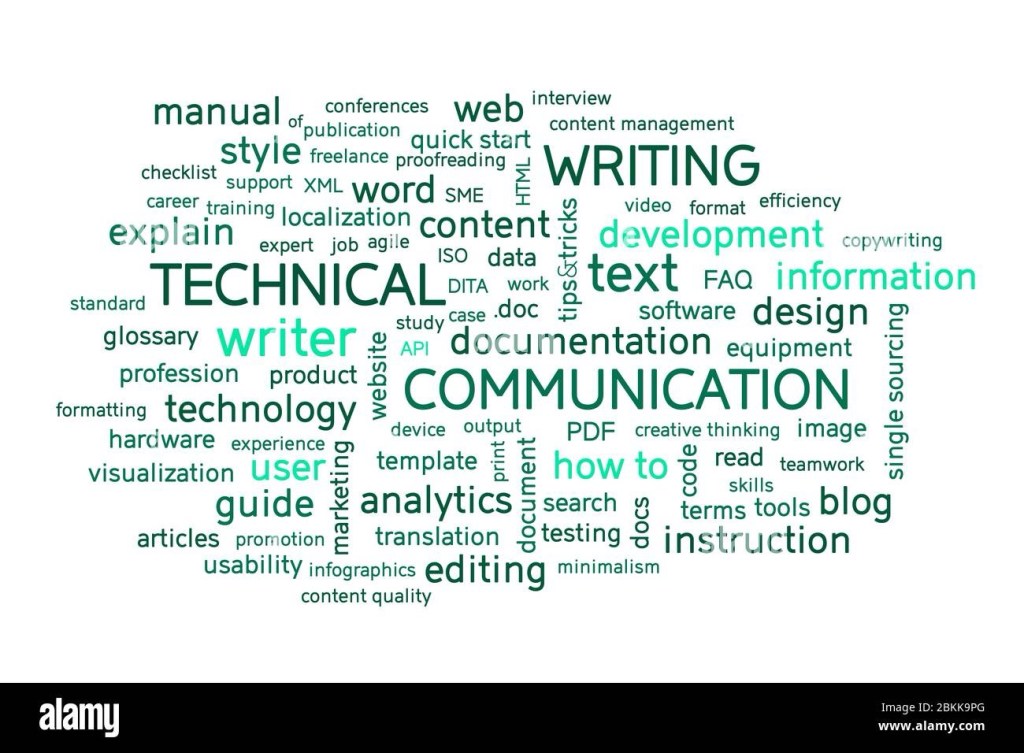
Styles and Conventions for Writing Software Documentation
- Clarity and Conciseness: Use straightforward language and avoid jargon. Make sure every sentence is easy to understand.
- Consistency: Maintain a consistent style throughout the documentation. This includes consistent terminology, formatting, and voice.
- Structure: Organize the content logically. Use headings, subheadings, bullet points, and numbered lists to break down information into digestible parts.
- User-Centric: Always keep the end-user in mind. Tailor the content to their level of expertise and needs.
- Examples and Code Snippets: Provide practical examples and code snippets to illustrate concepts. This helps users understand how to implement the information.
- Visual Aids: Use diagrams, screenshots, and flowcharts to complement the text and provide visual context.
Examples of Effective API Documentation
- Stripe API Documentation: Stripe’s API documentation is often cited as a gold standard. It features clear explanations, interactive code samples, and comprehensive guides. The documentation is well-structured, making it easy to navigate.
- Twilio API Documentation: Twilio provides detailed API documentation with extensive use of examples and code snippets. It also includes a robust search feature and clear, step-by-step instructions.
- GitHub API Documentation: GitHub’s API documentation is user-friendly and thorough. It includes detailed descriptions, usage examples, and links to relevant resources, helping users understand how to interact with GitHub’s API effectively.
By adhering to these styles and conventions and studying examples like Stripe, Twilio, and GitHub, you can create effective and user-friendly software documentation.
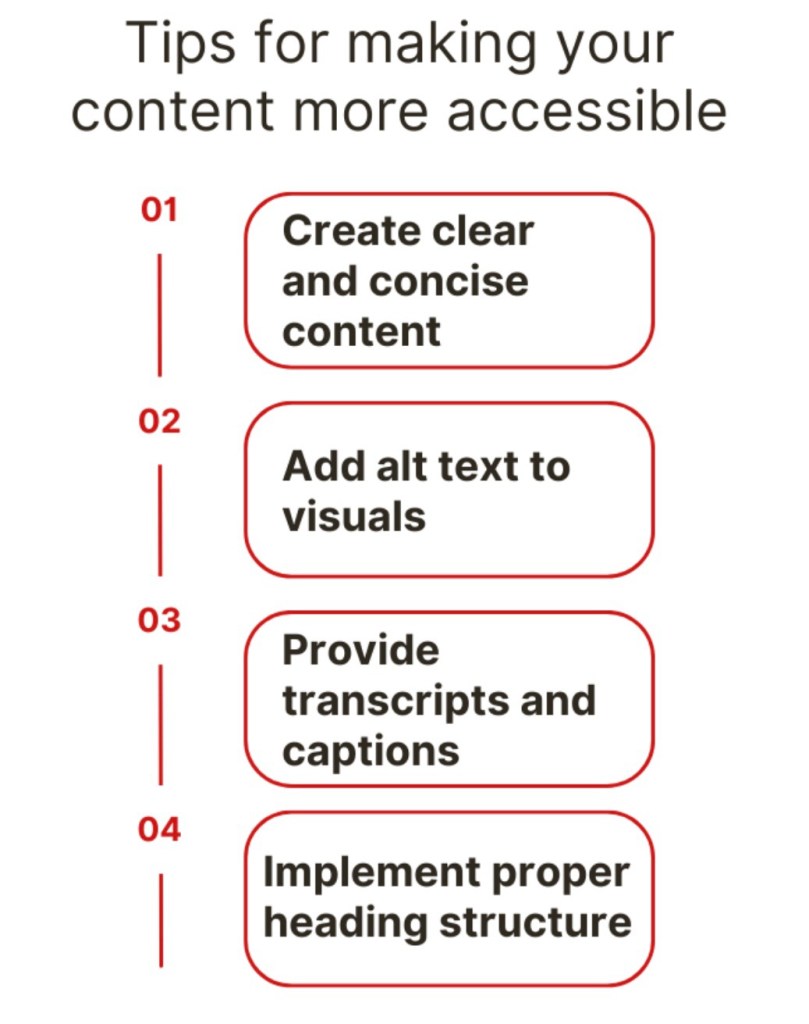
Creating clear and accessible user documentation is crucial for helping users understand and effectively use your product. Here are some tips to achieve that:
- Know Your Audience: Understand the knowledge level and needs of your audience. Tailor your language and explanations to match their expertise.
- Use Simple Language: Avoid jargon and complex terms. Use simple, straightforward language to make the documentation easy to understand.
- Organize Content Logically: Structure your documentation in a logical flow. Use headings, subheadings, bullet points, and numbered lists to break down information into manageable sections.
- Include Visual Aids: Use diagrams, screenshots, and videos to complement the text. Visual aids can help clarify complex instructions and provide visual context.
- Provide Clear Instructions: Write step-by-step instructions with clear, concise steps. Ensure each step is easy to follow and understand.
- Use Examples and Scenarios: Provide practical examples and scenarios to illustrate how to use the product. This helps users see real-world applications of the information.
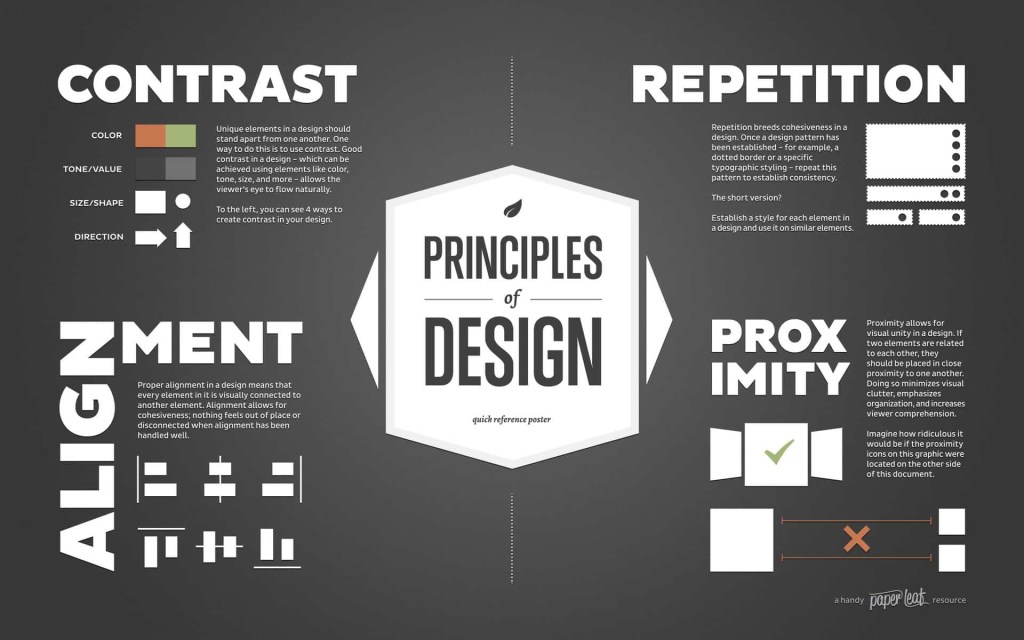
- Consistent Formatting: Maintain a consistent style and formatting throughout the documentation. This includes using the same fonts, colors, and layout for headings, subheadings, and body text.
- Test for Usability: Conduct usability testing with real users to identify any areas of confusion or difficulty. Use their feedback to improve the documentation.
- Keep It Updated: Regularly update your documentation to reflect any changes or updates to the product. Outdated information can lead to confusion and frustration.
- Provide a Search Function: Ensure your documentation includes a search function so users can quickly find the information they need.
 "WRITE RIGHT ✍🏾 "